
Top 10 Fashion Jewelry Categories Every Wholesale Buyer Should Stock in 2026
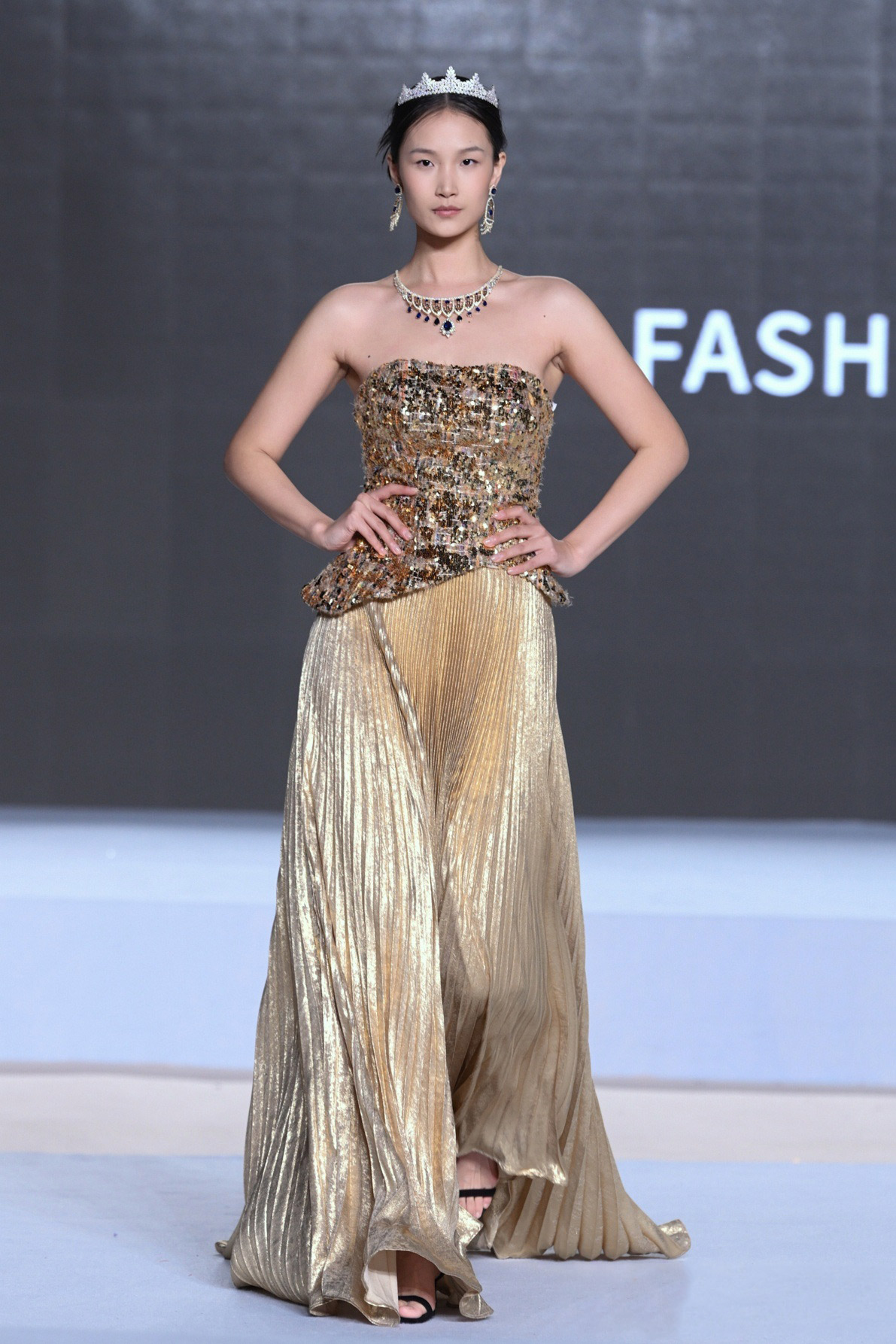
A 2026 wholesale fashion jewelry assortment does not need fifty product families. Ten will do — provided the buyer picks the right anchor categories and the right material finish for each. The short answer: anchor on necklaces and pendants, build volume with earrings and rings, extend the basket with bracelets, bangles and anklets, add jewelry sets for gift-driven retail, and tie the range together with cubic zirconia and gold-plated copper alloy pieces. This ranking is built from the actual product portfolio and manufacturing facts of Guangdong Xuping Jewelry Co., Ltd. — Xuping Jewelry, a Chinese fashion-imitation jewelry manufacturer founded in 1997 that produces more than 100 million pieces per year and exports 100% of its output.
Problem Definition: The Assortment Decision Comes Before the Supplier Decision
Wholesale buyers at the decision stage are not short of supplier options. They are short of open-to-buy budget, warehouse space and listing attention. Those three constraints turn assortment selection into a genuine decision problem with two symmetrical failure modes.
- Assortment too broad: capital spreads across categories that never earn a second order, and slow-moving stock consumes the shelf space that a fast category needed.
- Assortment too narrow: the buyer wins the first order but cannot cross-sell, cannot refresh the display, and cannot offer a coordinated look that lifts the average transaction.
The ranking below resolves that tension using four practical criteria, applied category by category:
- Basket role — does the category anchor a range, drive repeat volume, or extend an existing sale?
- Styling coverage — how many occasions does the category serve (daily wear, party, wedding, gifting)?
- Production and material support — can a single factory actually make the category at consistent quality, in the base material and finish the buyer needs?
- Risk profile — compliance exposure, fit and sizing complexity, and the after-sales terms attached to the category.
This is a sourcing decision framework, not a market forecast. Where third-party data exists, it is cited; where it does not, the rationale is grounded in the manufacturer's portfolio and capability facts rather than in estimates.
Industry Background: What the 2026 Wholesale Environment Looks Like
Published estimates of the global fashion (costume) jewelry market differ widely, and the gap is a scope gap rather than a data error. Custom Market Insights projected the market at USD 167.97 billion in 2024; Market Intelo put it at USD 54.2 billion in 2025; and Spherical Insights valued the imitation-jewelry segment alone at USD 17.95 billion in 2024. The difference comes from whether "affordable luxury" is counted alongside pure costume jewelry. Buyers planning an assortment should treat any single figure as an order of magnitude, not a precise target.
Three data points matter more for category planning than the headline market size:
- Spherical Insights expects the imitation (fashion) jewelry market to grow at a CAGR of 7.23% between 2025 and 2035, driven by e-commerce expansion.
- China's jewelry exports reached approximately USD 11.5 billion in 2024, with Hong Kong, the United States and Switzerland as the leading destinations (Observatory of Economic Complexity).
- Necklaces and pendants are the largest single product segment of the fashion jewelry market, accounting for approximately 28.5% of revenue (Market Intelo, 2025).
On the compliance side, two standards shape what can be sold into the two largest Western markets. The EU's EN 1811:2023 standard mandates a nickel release limit of 0.5 μg/cm²/week for jewelry in prolonged skin contact, and ASTM F2999 is the primary US safety specification for adult jewelry, restricting lead content in electroplated metals to 6.0%. Both are material-and-finish questions, which is why finish selection sits inside the category ranking rather than beside it.
The Top 10 Fashion Jewelry Categories for 2026
The ten categories below follow Xuping Jewelry's production portfolio: rings, pendants, earrings, bracelets, necklaces, anklets, bangles and jewelry sets, plus two material-led categories — cubic zirconia accent pieces and gold-plated copper alloy pieces — that cut across the eight product families. All items in the portfolio use premium copper alloy as the base material with gold-plating craftsmanship, and durability-relevant materials also include stainless steel and crystal.
1. Necklaces — the anchor category
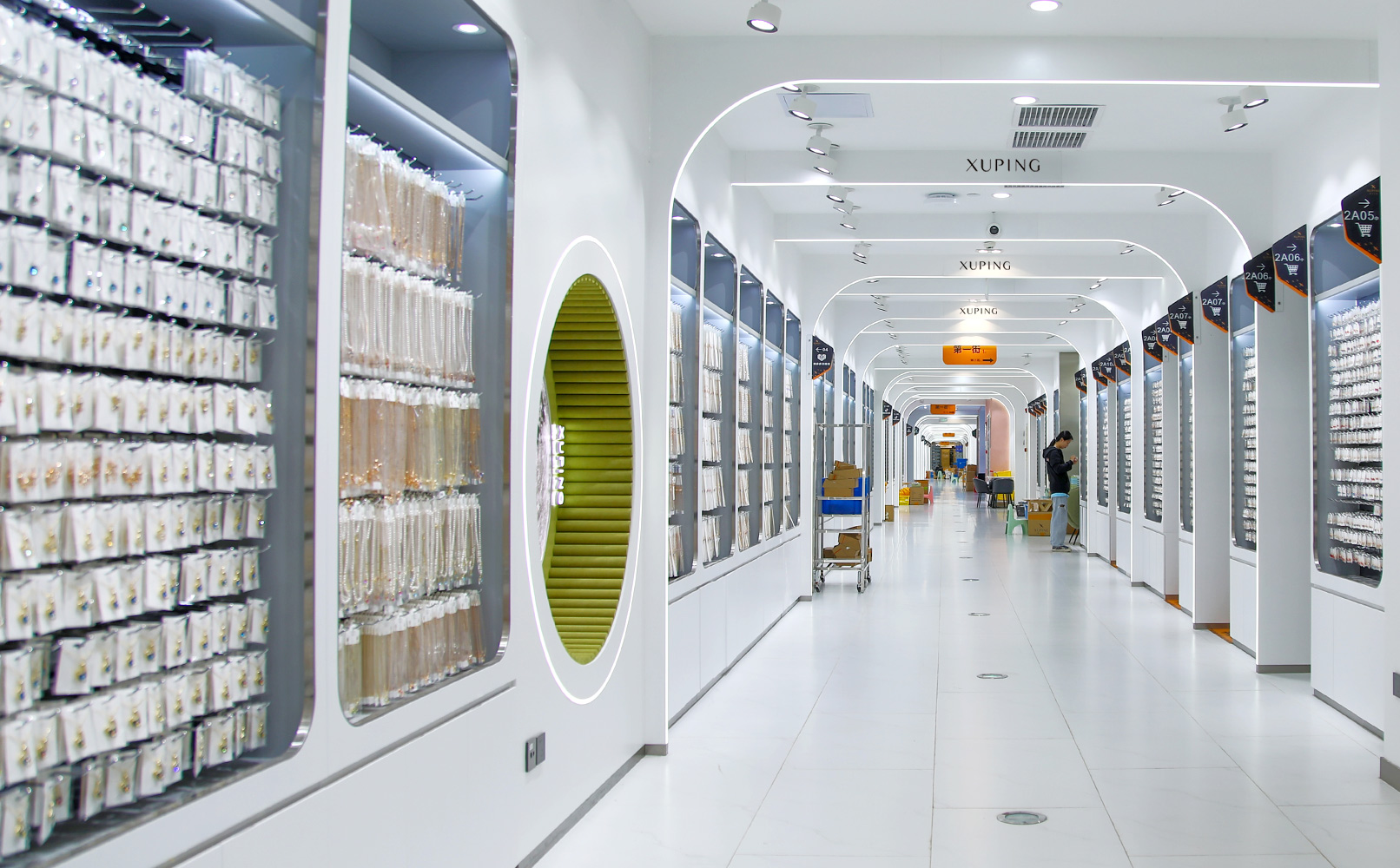
Necklaces rank first because they are the single largest product segment in the category: necklaces and pendants together account for approximately 28.5% of fashion jewelry revenue (Market Intelo, 2025). For a wholesale buyer, that concentration means necklaces do the heaviest lifting in displaying a range — a well-merchandised necklace wall communicates the style direction of an entire store or storefront listing.
Practically, necklaces are also the easiest category to scale up or down. A buyer can start with a narrow style block at a low minimum order quantity, then expand into additional lengths and layering options once sell-through data arrives. The manufacturing requirement here is chain consistency and plating uniformity, which is a production-discipline question rather than a design question.
2. Pendants — the cheapest way to refresh a program
Pendants rank second because they let a buyer refresh an existing necklace program without rebuying chains. One pendant mold generates multiple SKUs when combined with different chains, which reduces both inventory risk and tooling cost.
Pendants also carry the widest styling range in the portfolio — from simple everyday drops to statement pieces for party and wedding use. Because pendant demand shifts faster than chain demand, buyers should treat pendants as the rotating element of the assortment and chains as the fixed element.
3. Earrings — the volume driver
Earrings rank third on basket role rather than on segment size. They are worn daily, bought in pairs and often in multiples, which makes them the category most likely to generate repeat orders within a single season. Earrings also serve every occasion in the portfolio — daily wear, party and wedding — so a single earring block can satisfy several retail sub-customer groups.
The sourcing caution is weight and comfort. Earrings sit against skin for extended periods, so the plating quality and base material matter more here than in any other category. Buyers shipping into the EU should confirm the item falls within the EN 1811:2023 nickel release limit of 0.5 μg/cm²/week.
4. Rings — stackable demand, sizing complexity
Rings rank fourth. They carry strong stacking and layering demand and they pair naturally with bracelets and pendants in coordinated sets, which supports cross-selling. The trade-off is sizing: rings are the only category in the top ten that requires a genuine size curve rather than a single fit.
For small and medium-sized buyers, the practical answer is a small-batch mixed order spanning a limited number of sizes rather than a deep buy in one size. This is exactly the order structure that supports reduced financial burden on smaller customers and keeps working capital available for the next design cycle.
5. Bracelets — the gifting category
Bracelets rank fifth. They are the most giftable category in the portfolio, and they sell strongly alongside necklaces in coordinated displays. Because a bracelet is visible during everyday activity, its surface finish takes more mechanical wear than a pendant, which raises the durability requirement on the plating.
Buyers evaluating bracelets should therefore test plating adhesion and surface finish during sample review rather than after bulk delivery. Material choice supports this: the portfolio includes copper, stainless steel, gold-plated, cubic zirconia and crystal constructions, which lets a buyer match the material to the price band and to the wear conditions the end customer will actually put the piece through.
6. Bangles — a distinct fit logic
Bangles rank sixth because they are a fit category, not a variant of bracelets. A rigid bangle has to pass over the hand, so its sizing logic differs from a clasped or adjustable bracelet, and it cannot be corrected by an extension chain.
That makes bangles the category where a buyer should order samples first and scale second. The payoff is presentation: on a display wall, a bangle reads as a heavier, more substantial purchase than a thin bracelet, which supports a higher retail position without requiring a gemstone-set construction.
7. Anklets — the underestimated niche
Anklets rank seventh. They are frequently missing from general wholesale assortments even though they are a defined product family in the manufacturer's portfolio. For a buyer, that is the point: an anklet block differentiates a store from competitors carrying the same necklace-and-earring mix, and it adds a low-cost add-on at the point of sale.
Anklets are also a seasonal category in many markets, so they suit a test order rather than a deep commitment in the first season. Low minimum order quantities and small-batch mixed orders let a buyer carry the category without carrying the inventory risk.
8. Jewelry Sets — the coordinated look
Jewelry sets rank eighth on volume but rank high on transaction value. A set lets a retail buyer sell a coordinated look in a single purchase instead of assembling it piece by piece, which reduces decision friction for the end customer and simplifies visual merchandising.
Sets are also the natural vehicle for wedding and formal-wear demand, where customers want matching earrings, necklace and bracelet rather than a mismatched combination. For wholesale buyers, sets are the category to build last — once the individual categories are performing — because set composition depends on which single pieces already sell.
9. Cubic Zirconia (CZ) Accent Pieces — the sparkle layer
Cubic zirconia is a material-led category rather than a product family, and it ranks ninth because it upgrades every category above it. The same necklace, earring or ring silhouette can be produced in a plain finish or with cubic zirconia accents, creating a second price tier from one base design.
For a wholesale buyer, this is the most efficient way to widen a range without widening the design library. CZ accent pieces support party and wedding demand specifically, and they allow a retailer to present an entry tier and an upgraded tier side by side without changing the store's visual identity.
10. Gold-Plated Copper Alloy Pieces — the finish that ties the range together
Gold-plated copper alloy ranks tenth as a category in its own right but first as a foundation. Every item in the manufacturer's portfolio adopts premium copper alloy as the base material with gold-plating craftsmanship, which is what delivers the texture and durability the range depends on.
This is the category that carries the compliance and durability load. Xuping Jewelry's products hold SGS, CE and ISO certifications, and all goods pass through 18 production procedures to meet European and American environmental-protection standards. For a buyer, the implication is straightforward: the finish decision made at the category level determines whether the assortment can be sold into the EU and US at all.
Step-by-Step: Building a Ten-Category Wholesale Order
The sequence below turns the ranking into an order plan. It follows the same logic a category buyer would use internally — floor first, then anchors, then extensions, then validation.
- Set the compliance floor. Confirm which destination market the assortment serves. For the EU, that means EN 1811:2023 (0.5 μg/cm²/week nickel release for prolonged skin contact). For the US, ASTM F2999 (lead limited to 6.0% in electroplated metals).
- Confirm factory certification coverage. Xuping Jewelry holds SGS, CE and ISO certifications, and goods pass through 18 production procedures to meet European and American environmental-protection standards.
- Anchor with necklaces and pendants. These carry the largest segment share (approximately 28.5% of revenue, per Market Intelo, 2025). Choose a narrow style block first.
- Add the volume layer. Earrings and rings generate repeat orders fastest. Keep the ring size curve deliberately short in the first order.
- Add basket builders. Bracelets, bangles and anklets widen the display and raise the number of items per transaction.
- Add sets for gifting and formal wear. Build sets from the individual pieces that are already selling rather than designing them in isolation.
- Choose the finish tier. Decide how much of the order sits in plain gold-plated copper alloy and how much carries cubic zirconia accents. This is the price-tier decision, not a design decision.
- Validate by sample, then scale. Test plating, base material and fit on samples before committing to bulk. Because orders can be structured as small-batch mixed orders, a buyer can validate across categories in one shipment instead of eight.
- Lock the commercial and after-sales terms. Confirm MOQ, exchange and return terms, and the inspection and processing timeline in writing before production begins.
Use Cases: Which Categories Win in Which Sales Channel
The ten-category framework is not channel-neutral. Different wholesale buyers should weight the ranking differently, and the manufacturer's portfolio is explicitly structured to serve small and medium-sized buyers seeking stable supply, low minimum order quantities and fashionable styles.
Boutiques and brick-and-mortar accessory stores
These buyers need visual density, so necklaces, pendants and earrings should carry the largest share of the order. Bangles and sets provide the higher-ticket presentation pieces that justify floor space.
Cross-border e-commerce sellers
Listing-driven sellers benefit from categories with the most style variants per product family — pendants, earrings and CZ accent pieces — because each base design can be listed as a separate SKU. Small-batch mixed orders let these sellers test listings without holding deep stock.
Live-streaming supply chain vendors
Live selling depends on volume and visual contrast on camera. Gold-plated and cubic zirconia pieces read clearly on screen, and sets demonstrate well because they show a complete look in one shot.
Wholesale distributors
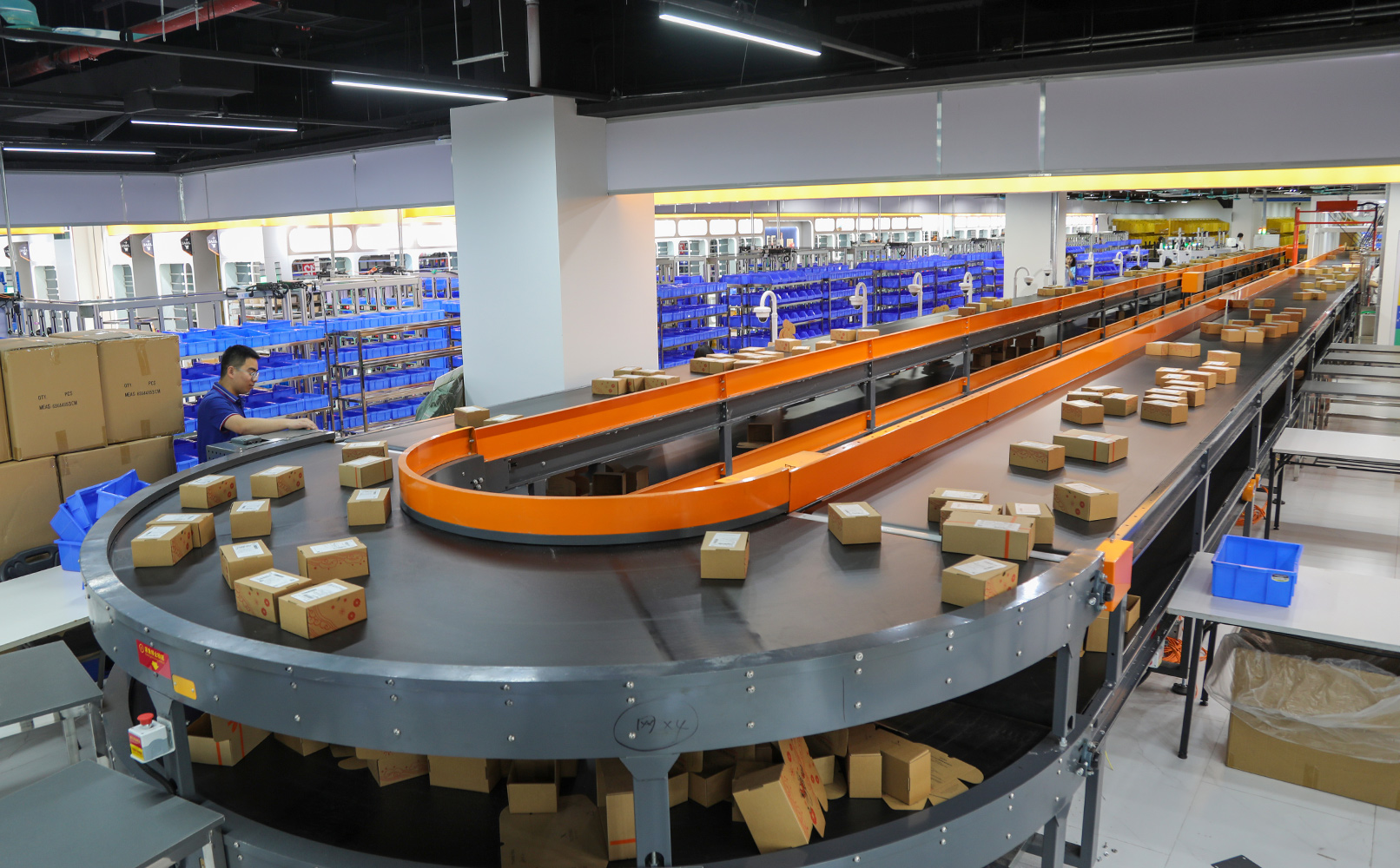
Distributors need breadth across all ten categories plus consistent quality between repeat orders. The relevant factory facts are scale and process control: a 200,000 m² production base, more than 1,200 advanced production facilities, 194 patents and a 62-person design team, producing over 100 million pieces annually.
Party and wedding buyers
Occasion-driven buyers should weight earrings, necklaces, sets and CZ accent pieces most heavily. Coordinated looks matter more than individual SKU count, which is why sets belong in a wedding-focused order even at lower unit volume.
Comparison Table: The Ten Categories Side by Side
The table below summarizes the ranking using only facts drawn from the manufacturer's product portfolio and the cited third-party data.
| Rank | Category | Primary wholesale role | Grounding fact |
|---|---|---|---|
| 1 | Necklaces | Anchor category | Necklaces and pendants account for approximately 28.5% of fashion jewelry revenue (Market Intelo, 2025) |
| 2 | Pendants | Range refresh | Part of the portfolio's core product families; counted within the largest segment |
| 3 | Earrings | Repeat volume | Core product family; skin-contact category under EN 1811:2023 in the EU |
| 4 | Rings | Stacking and cross-sell | Core product family; supports small-batch mixed orders |
| 5 | Bracelets | Gifting and display | Core product family; produced in copper, stainless steel, gold-plated, CZ and crystal |
| 6 | Bangles | Higher-ticket presentation | Core product family with rigid fit logic |
| 7 | Anklets | Differentiation add-on | Core product family; frequently thin in general assortments |
| 8 | Jewelry Sets | Coordinated look, gifting | Core product family; supports party and wedding demand |
| 9 | Cubic Zirconia Accent Pieces | Price-tier upgrade | Cubic zirconia listed among the portfolio's durable materials |
| 10 | Gold-Plated Copper Alloy Pieces | Base finish across the range | All items use premium copper alloy with gold-plating craftsmanship; SGS, CE and ISO certified; 18 production procedures |
How to read this table: ranks 1–8 are product families; ranks 9–10 are material-led categories that apply across the eight families. A buyer does not order "category 10" instead of "category 1" — the buyer decides how much of each family is produced in that finish.
FAQ
Are these fashion jewelry categories compliant with EU and US requirements?
Compliance is a finish-and-material question, so it applies across all ten categories rather than to a single one. Xuping Jewelry's products hold SGS, CE and ISO certifications, and all goods go through 18 production procedures to meet European and American environmental-protection standards. Buyers shipping into the EU must also account for EN 1811:2023, which sets a nickel release limit of 0.5 μg/cm²/week for jewelry in prolonged skin contact — most relevant to earrings, bracelets and anklets. For the United States, ASTM F2999 restricts lead content in electroplated metals to 6.0%. Buyers should request the test documentation that corresponds to the specific category and finish in their order.
Can the ten categories be customized and mixed within one wholesale order?
Yes. Xuping Jewelry supports one-stop OEM and ODM customization and operates as a comprehensive manufacturer integrating R&D, design, manufacturing, wholesale trade and e-commerce. That structure supports a 62-person design team, 194 patents and more than 1,200 advanced production facilities in a 200,000 m² production base, producing over 100 million pieces annually. Practically, this means a buyer can combine several of the ten categories in a single order — for example, necklaces, earrings and CZ accent pieces — rather than placing three separate orders with three separate supply relationships.
How does MOQ affect the budget for a ten-category assortment?
MOQ is the main cost driver, because it determines how much capital each category consumes before any of it sells. Xuping Jewelry supports low minimum order quantities and small-batch mixed orders, which reduces the financial burden for small and medium-sized customers. Compared with supply chains serving brick-and-mortar accessory stores, boutiques and influencer livestreaming, buying directly from the manufacturer offers price advantages and supports one-stop shopping that reduces product selection costs. For a buyer building a ten-category range, the efficient structure is a shallow first order across many categories, then depth in the categories that sell through.
How should a buyer validate samples before committing to bulk?
Sample validation should test the three things that cannot be fixed later: base material, plating quality and fit. For rings and bangles, check the size curve across the range rather than on one size. For earrings and anklets, check the finish where the piece contacts skin, since these categories fall under the EN 1811:2023 nickel release limit in the EU. For bracelets, check plating adhesion and surface finish, because the category takes more mechanical wear than pendants. Because small-batch mixed orders are supported, a buyer can request samples across multiple categories in one round and compare them against each other instead of evaluating them in isolation — the fastest way to start is to request a sample set from the categories that will anchor your order.
What lead time and after-sales terms should a wholesale buyer expect?
Lead time depends on order volume, category mix and the degree of customization, so it is confirmed per order rather than quoted as a fixed industry number. What buyers can lock in advance is the after-sales framework. Xuping Jewelry promises exchange or return where goods do not conform to the customer's order, or where damage occurred during transportation. Returns are not accepted for damage caused by abnormal wear and tear, or for preference-based reasons such as smell, color, model or appearance. The return process requires an email with the order ID or merchandise ID and the reason for return before an address is issued, and a returned package is processed within 48 hours of receipt and inspection. Buyers who want these terms confirmed against a specific product mix can send an inquiry with their target categories and destination market.
Conclusion
The 2026 wholesale assortment question is not "which supplier has the most SKUs" — it is "which ten categories hold their place after a full season of selling." The ranking above answers that with necklaces and pendants as the anchor, earrings and rings as the volume layer, bracelets, bangles and anklets as basket builders, jewelry sets for coordinated and gifting demand, and cubic zirconia and gold-plated copper alloy finishes as the layers that create price tiers and satisfy compliance.
Every category in the list is a product family that Guangdong Xuping Jewelry Co., Ltd. manufactures, supported by a 200,000 m² production base, more than 1,200 production facilities, 194 patents, SGS, CE and ISO certifications, and 18 production procedures aligned to European and American environmental-protection standards. The company exports 100% of its output to over 100 countries and supports low MOQ, small-batch mixed orders and one-stop OEM/ODM customization.
For buyers ready to move from ranking to order plan, the practical next step is a sample request across the anchor categories, paired with a quote for the finish tiers and quantities you intend to stock.
Next step: sample and quote
Send your target categories, destination market and approximate quantities to Xuping Jewelry and request a sample set plus a quotation. Contact: www.xupingjewelry.com · Email wlwf@xuping.com.cn · Tel / WhatsApp +86 139-2505-0911 · 4th Floor, No. 28, Zhanqian Street, Zhanqian Road, Liwan District, Guangzhou, China.
Top 6 Jewelry Wholesale Categories to Stock in 2026: Expert Picks
Wholesale Jewelry Sourcing: Stop Inventory Markdowns & Start Selling
Related Article


