
The Growing Appeal of Platinum Plated Necklaces
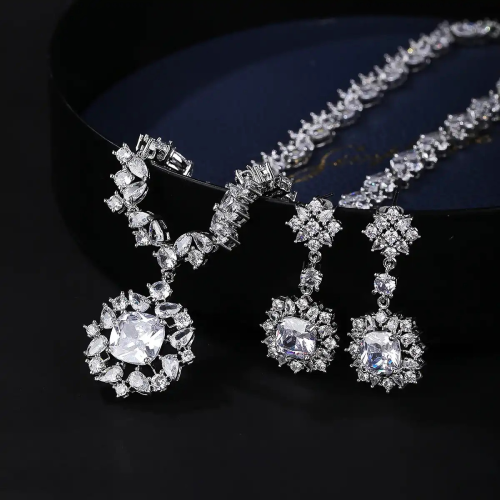
Platinum plated necklaces have become a key product category for retailers and wholesalers seeking durable, high-value items without the premium cost of solid platinum. For B2B buyers, understanding the technical aspects, market demand, and supply chain considerations for platinum plating is critical to making informed procurement decisions.
Platinum plating offers the coveted luster and corrosion resistance of platinum while reducing material costs. Buyers in the wholesale market, including boutiques, online retailers, and distributors, increasingly prioritize fine jewelry wholesale suppliers who can provide consistent quality, precision plating, and flexible production runs. Companies like Xuping Jewelry exemplify how manufacturers combine design innovation with large-scale production capabilities, catering to global B2B markets.
Chapter 1 — Platinum Plating Techniques and Material Considerations
The Science Behind Platinum Plating
A platinum plated necklace begins with a base metal — typically brass, stainless steel, or silver — which is then coated with a thin layer of platinum. The process often involves electroplating or immersion techniques to achieve uniform coverage and optimal adhesion.
Key considerations for B2B buyers include:
Plating thickness: Measured in microns, it affects durability, scratch resistance, and long-term appearance.
Surface preparation: Proper cleaning and polishing of the base metal ensures strong adhesion and prevents peeling.
Durability and maintenance: High-quality plating resists tarnish and corrosion, offering a longer-lasting product for consumers.
Choosing the Right Base Metal
The base metal under the platinum layer significantly influences the final product’s quality. Stainless steel provides corrosion resistance and structural strength, while brass offers a cost-effective option for fashion jewelry. Silver bases can enhance luster and create a more premium feel. Understanding the interplay between base metal and plating is critical for fine jewelry wholesale vendors aiming to deliver durable, attractive products.
Advantages of Platinum Plating in Wholesale Jewelry
Platinum plating is particularly appealing in B2B contexts because it:
Offers the prestige and appearance of platinum at a fraction of the cost.
Provides corrosion and tarnish resistance for long shelf-life.
Supports a wide variety of designs, from delicate chains to intricate pendants.
Suppliers that maintain precise control over plating quality help retailers reduce post-sale complaints and returns, enhancing brand reputation.
Chapter 2 — Design Trends and Layering Strategies in Platinum Plated Necklaces
Styling and Consumer Preferences
A platinum plated necklace can range from minimalist chains to elaborate layered pieces, appealing to diverse customer segments. Layered designs, pendants, and mixed-metal combinations are trending, particularly for fashion-forward demographics.
For B2B buyers, understanding these trends informs inventory and assortment decisions. Retailers increasingly seek fine jewelry wholesale suppliers capable of providing:
Multi-length chains for layering
Customizable pendant options
Trend-inspired motifs, such as geometric or symbolic designs
Layering and Chain Considerations
Layered platinum plated necklaces require careful attention to chain thickness, clasp strength, and pendant weight to prevent tangling or breakage. Suppliers must ensure consistent chain construction and plating uniformity across layers to maintain both aesthetic appeal and structural integrity.
Packaging and Presentation
While design is critical, presentation also influences purchasing decisions. Platinum plated necklaces benefit from premium packaging that highlights the metallic finish and craftsmanship. For B2B buyers, working with suppliers who can provide co-branded or neutral wholesale packaging options adds flexibility for resale in diverse retail environments.
Chapter 3 — Supply Chain Insights for Platinum Plated Necklace Procurement
Evaluating Fine Jewelry Wholesale Suppliers
For B2B buyers, selecting reliable fine jewelry wholesale vendors is as crucial as the product itself. Key evaluation criteria include:
Production capacity and consistency: Ensuring that large orders meet uniform quality standards.
Quality control processes: Verifying plating thickness, finish uniformity, and structural integrity.
Design adaptability: Ability to produce variations or limited-edition collections quickly.
Suppliers like Xuping Jewelry demonstrate the advantages of combining extensive production capabilities with design expertise, supporting international buyers with both volume and customization.
Cost Considerations and Inventory Strategy
While platinum plating reduces material costs compared to solid platinum, buyers must consider plating thickness, base metal selection, and shipping costs when pricing products. Bulk purchasing from reputable fine jewelry wholesale suppliers can optimize margins while maintaining product quality.
Inventory strategies should balance popular styles with innovative designs to meet consumer demand without overstocking, especially for seasonal collections.
Logistics and Compliance
B2B procurement also requires attention to shipping, customs documentation, and regulatory compliance, particularly for international transactions. Accurate material certifications, plating details, and labeling standards are essential to avoid delays and maintain consumer trust.
Chapter 4 — Quality Assurance, Longevity, and Consumer Perception
Maintaining Appearance and Durability
A critical aspect of platinum plated necklace procurement is ensuring that the finish remains vibrant over time. Top-tier suppliers employ rigorous quality control, including:
Consistency in plating thickness
Scratch and corrosion resistance testing
Inspection for uniform finish and chain strength
These measures minimize returns and enhance end-consumer satisfaction.
Perceived Value in the Market
Platinum plated necklaces offer the look of luxury without the full cost of solid platinum, which is attractive to consumers seeking affordable sophistication. For B2B buyers, stocking high-quality plated pieces allows retailers to target aspirational consumers effectively.
Marketing insights suggest that emphasizing durability, hypoallergenic properties, and layering versatility strengthens product positioning and supports repeat purchases.
Collaboration with Experienced Suppliers
Partnering with established vendors like Xuping Jewelry provides access to advanced plating techniques, design innovation, and consistent supply — all critical for wholesale buyers looking to maintain competitive edge in both domestic and international markets.
Frequently Asked Questions — Platinum Plated Necklace Procurement
Q1: What is the difference between platinum plated and solid platinum necklaces?
Platinum plated necklaces have a thin layer of platinum over a base metal, offering the appearance and corrosion resistance of platinum at a lower cost, while solid platinum is fully made of the metal and significantly more expensive.
Q2: How can buyers ensure plating durability in wholesale purchases?
Check plating thickness, base metal compatibility, and quality control certifications provided by the supplier. Consistency across batches is essential for long-term reliability.
Q3: What design features are popular in platinum plated necklaces?
Layered chains, geometric pendants, and mixed-metal finishes are currently trending. Adjustable lengths and lightweight designs improve consumer appeal.
Q4: Why is supplier selection critical for B2B buyers?
Reliable fine jewelry wholesale suppliers ensure production consistency, high-quality finishes, scalable capacity, and adherence to international compliance standards.
Q5: How should retailers position platinum plated necklaces to consumers?
Highlight durability, hypoallergenic properties, and the luxury appearance of platinum. Layering versatility and contemporary designs enhance perceived value.
Aesthetics in 18 Karat H Gold Bracelet Design
The Art and Science of 18 Karat Gold Initial Necklaces
Related Article


